 Image 1 of 3
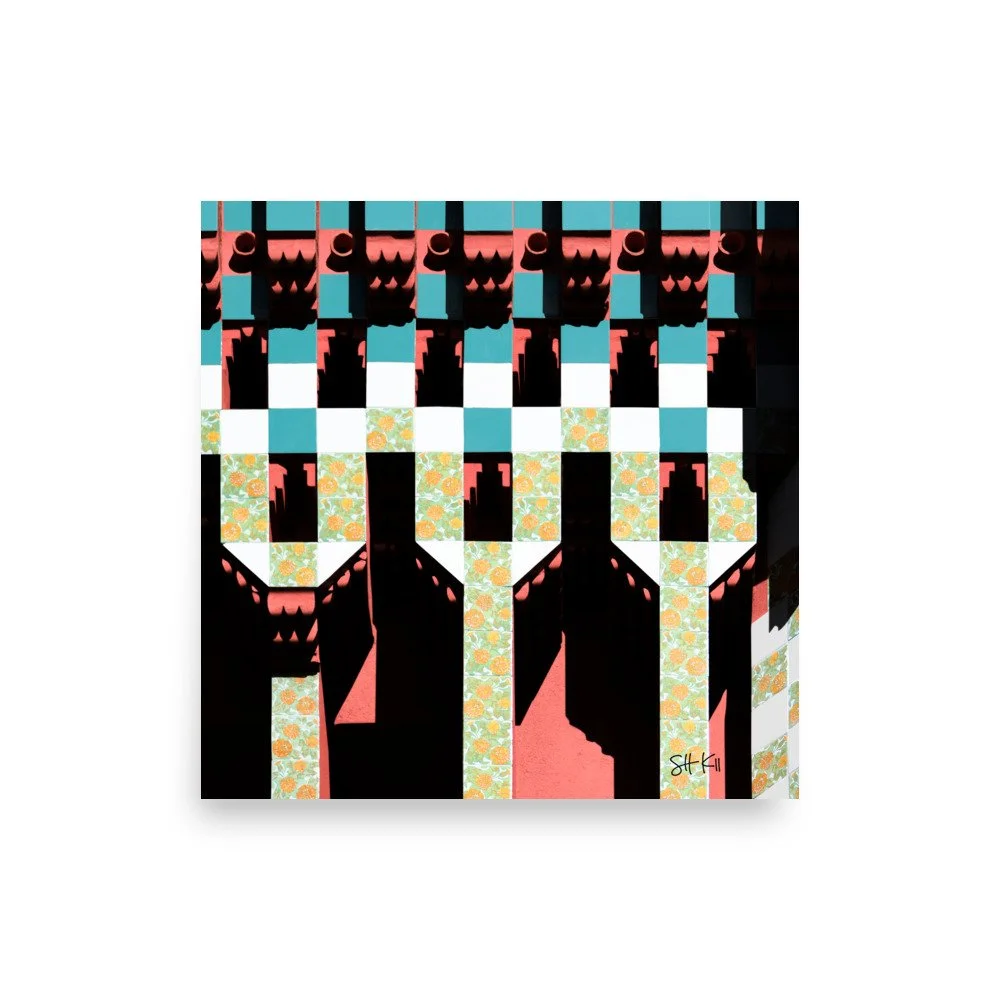 Image 2 of 3
 Image 3 of 3
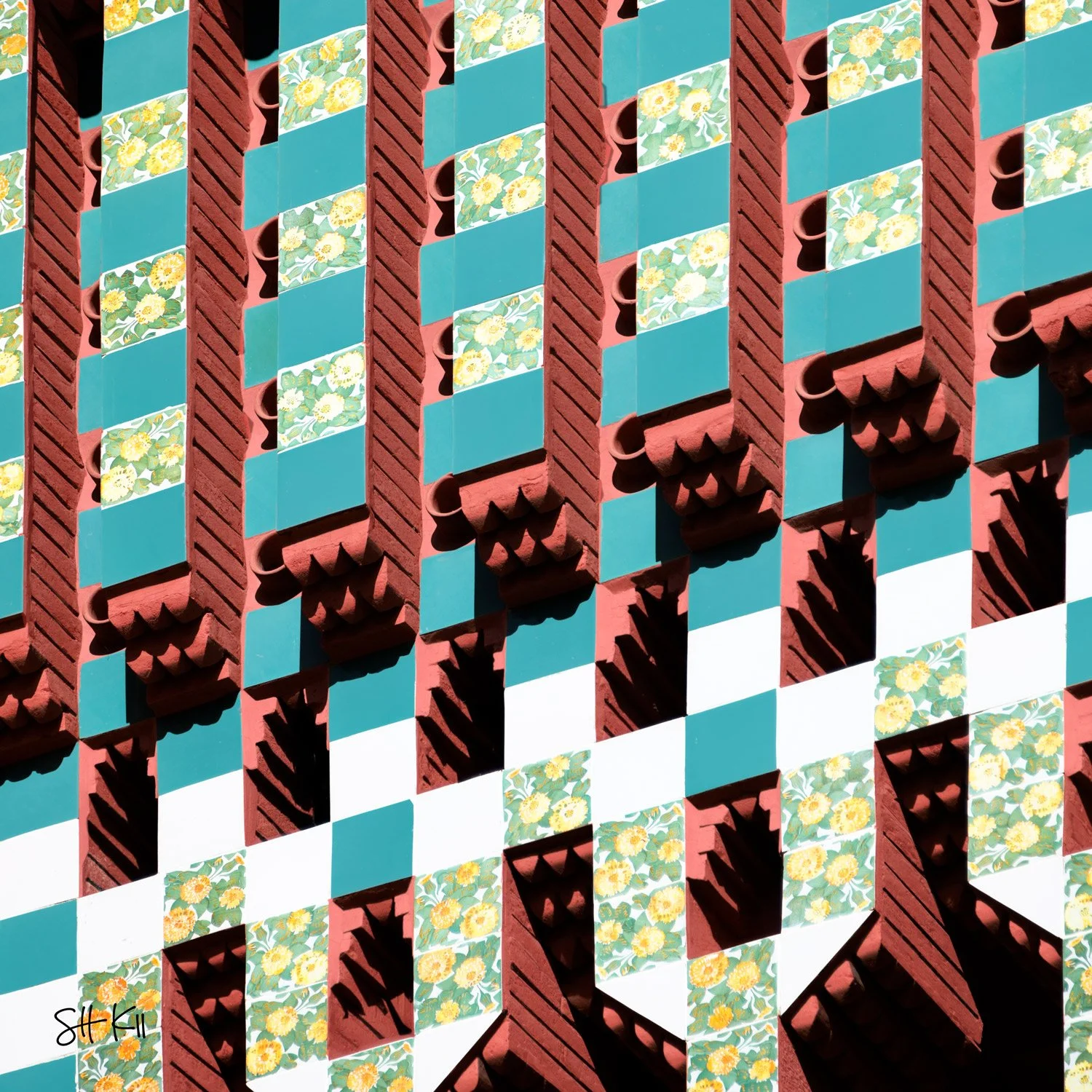
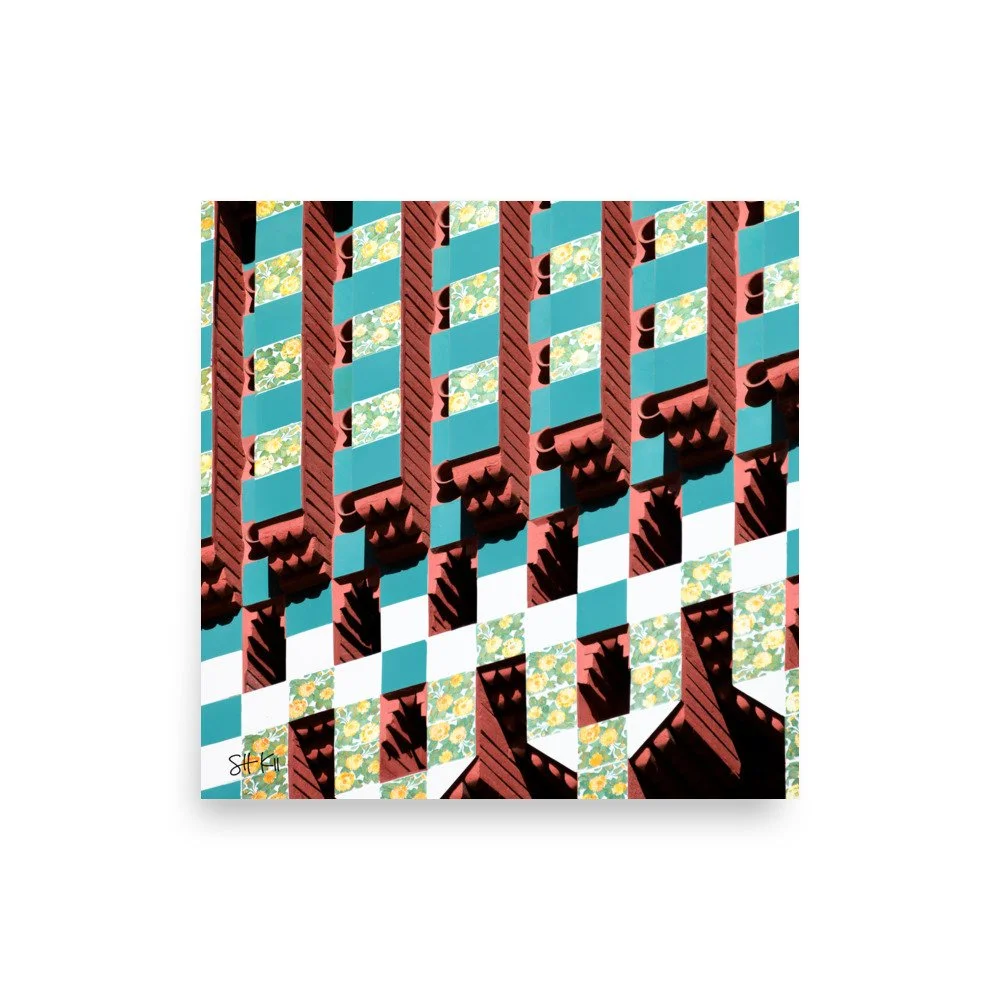
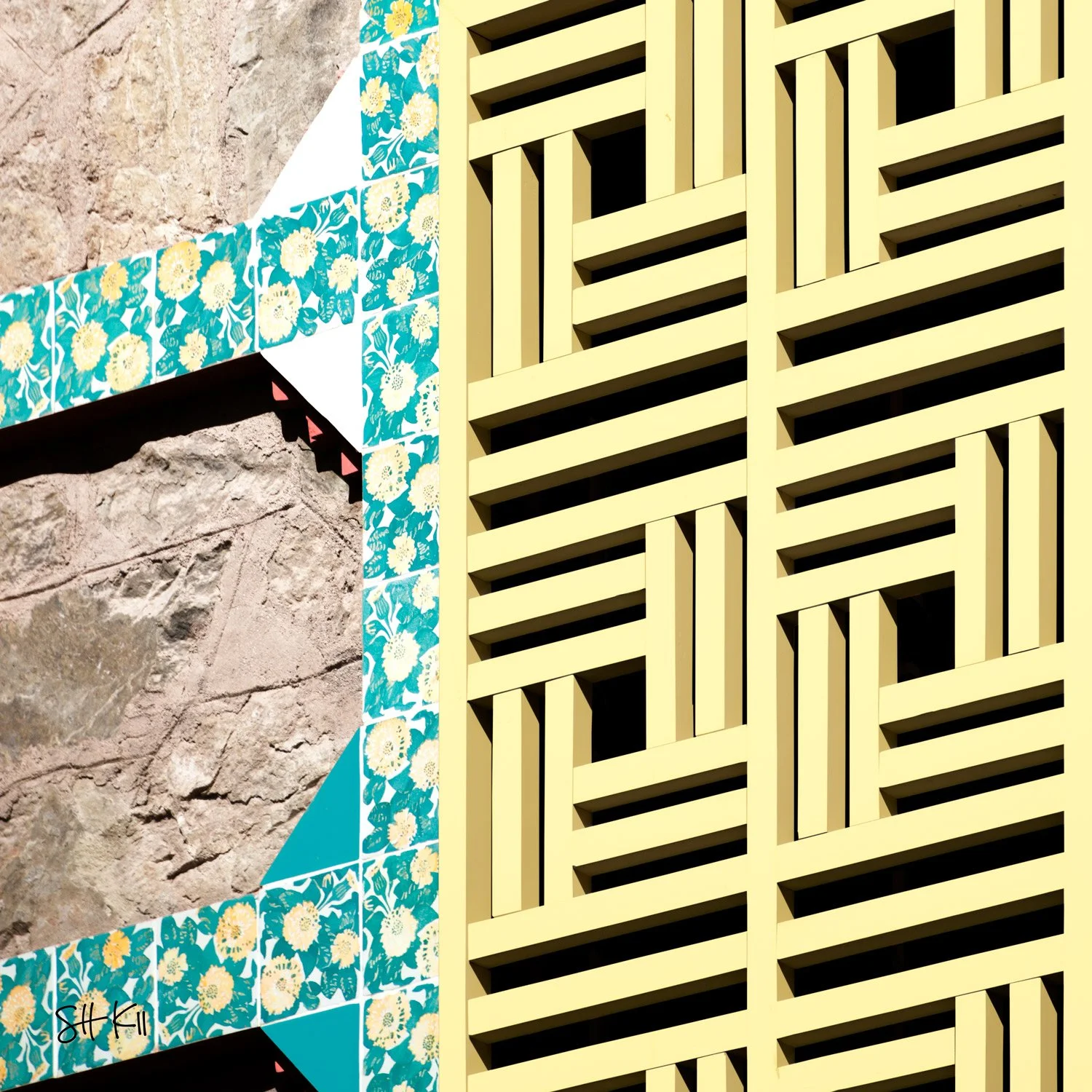
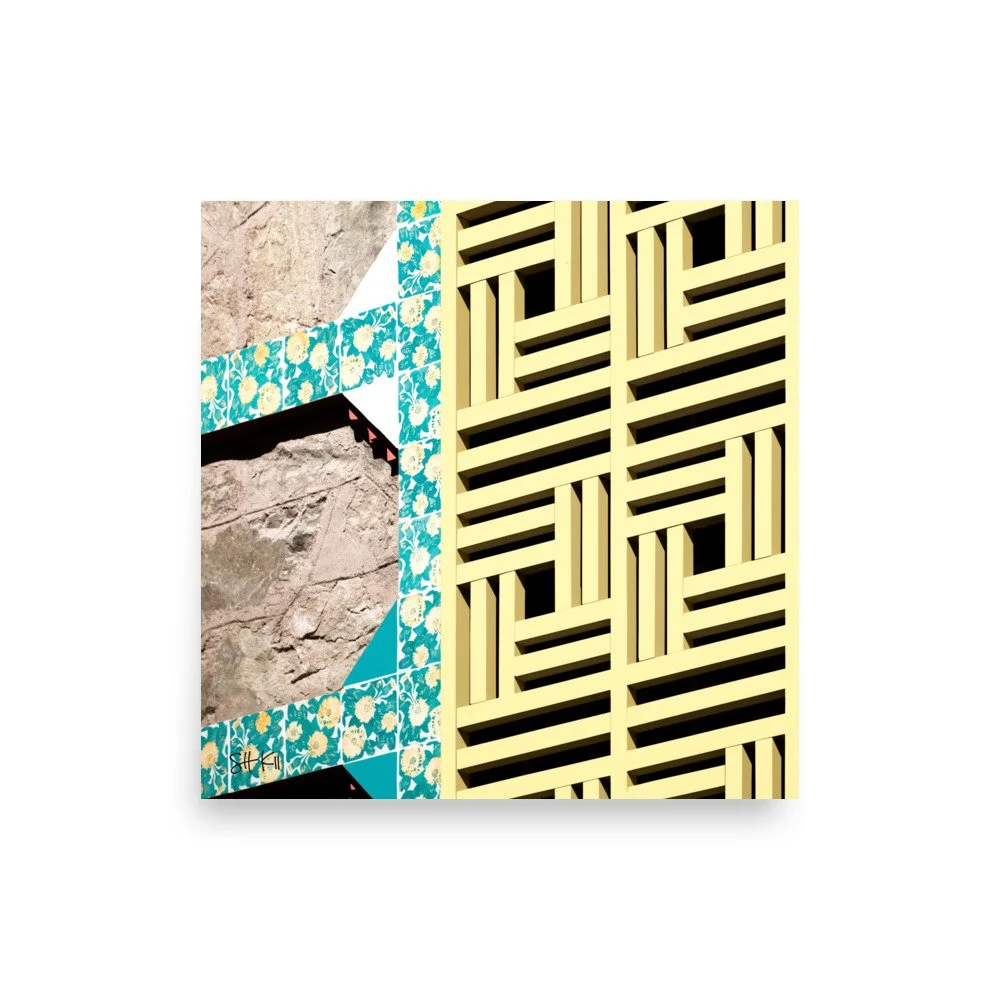
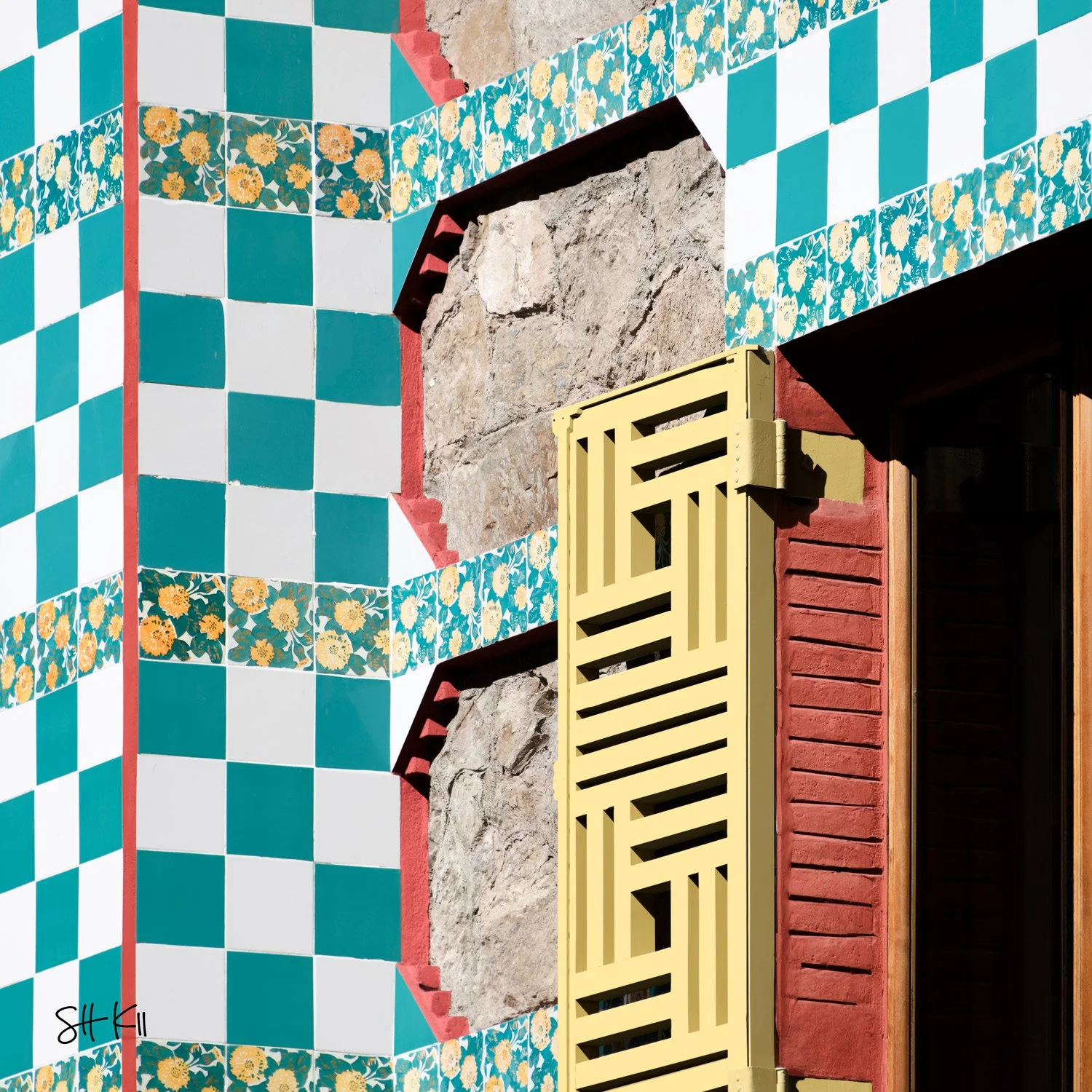
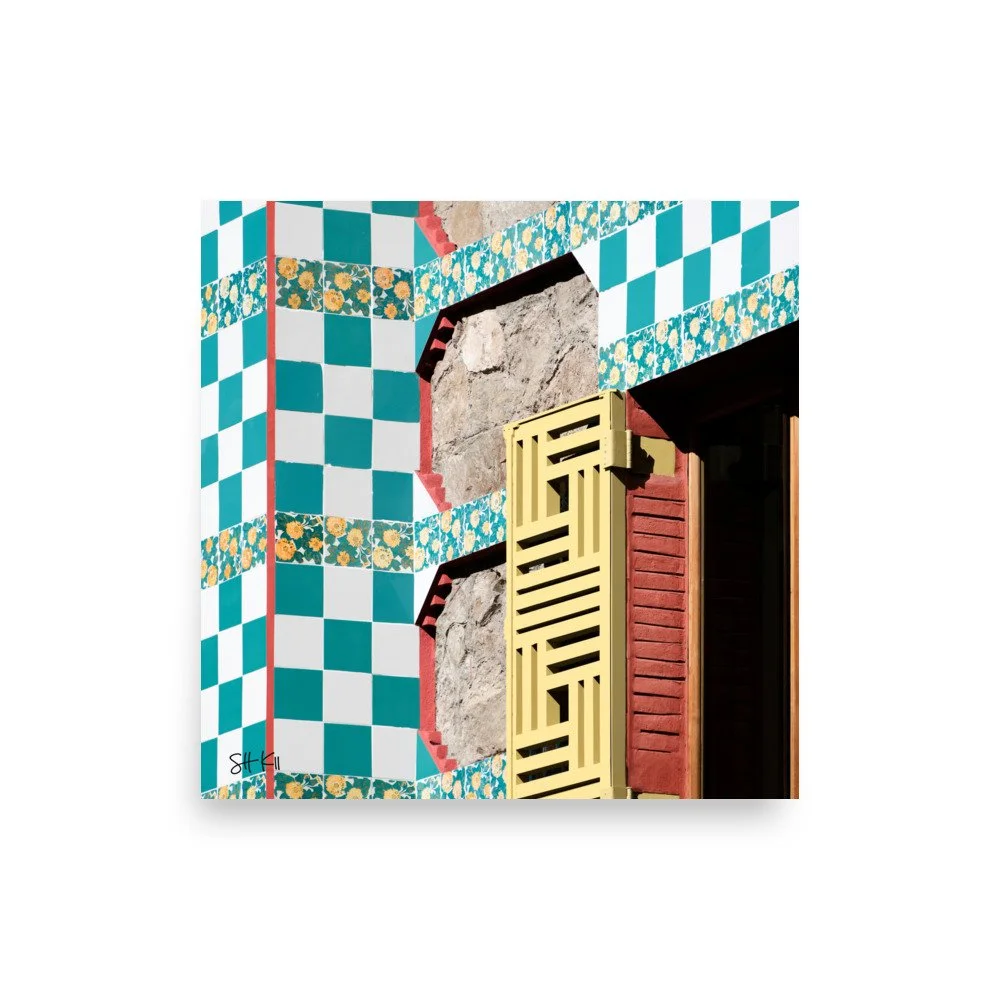
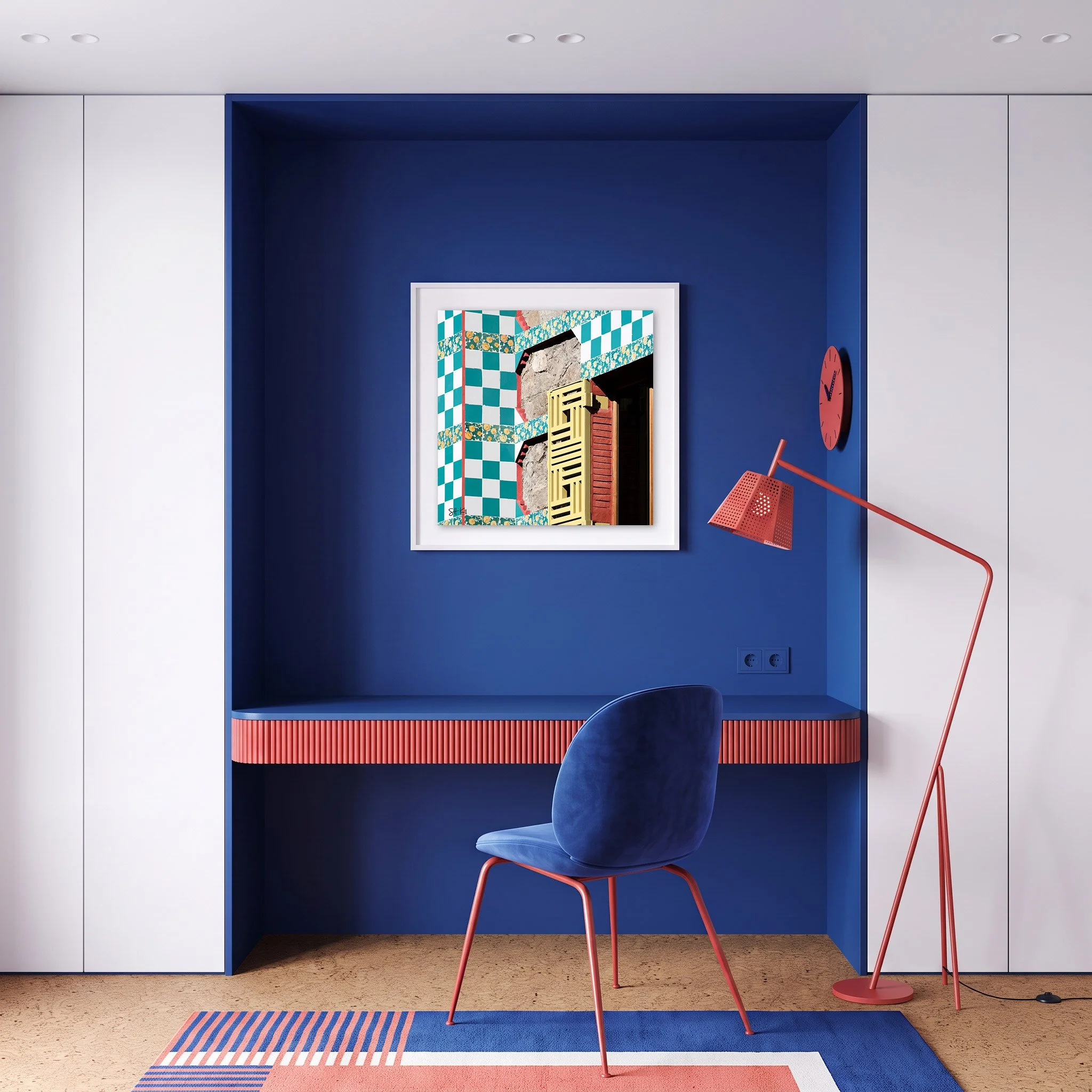
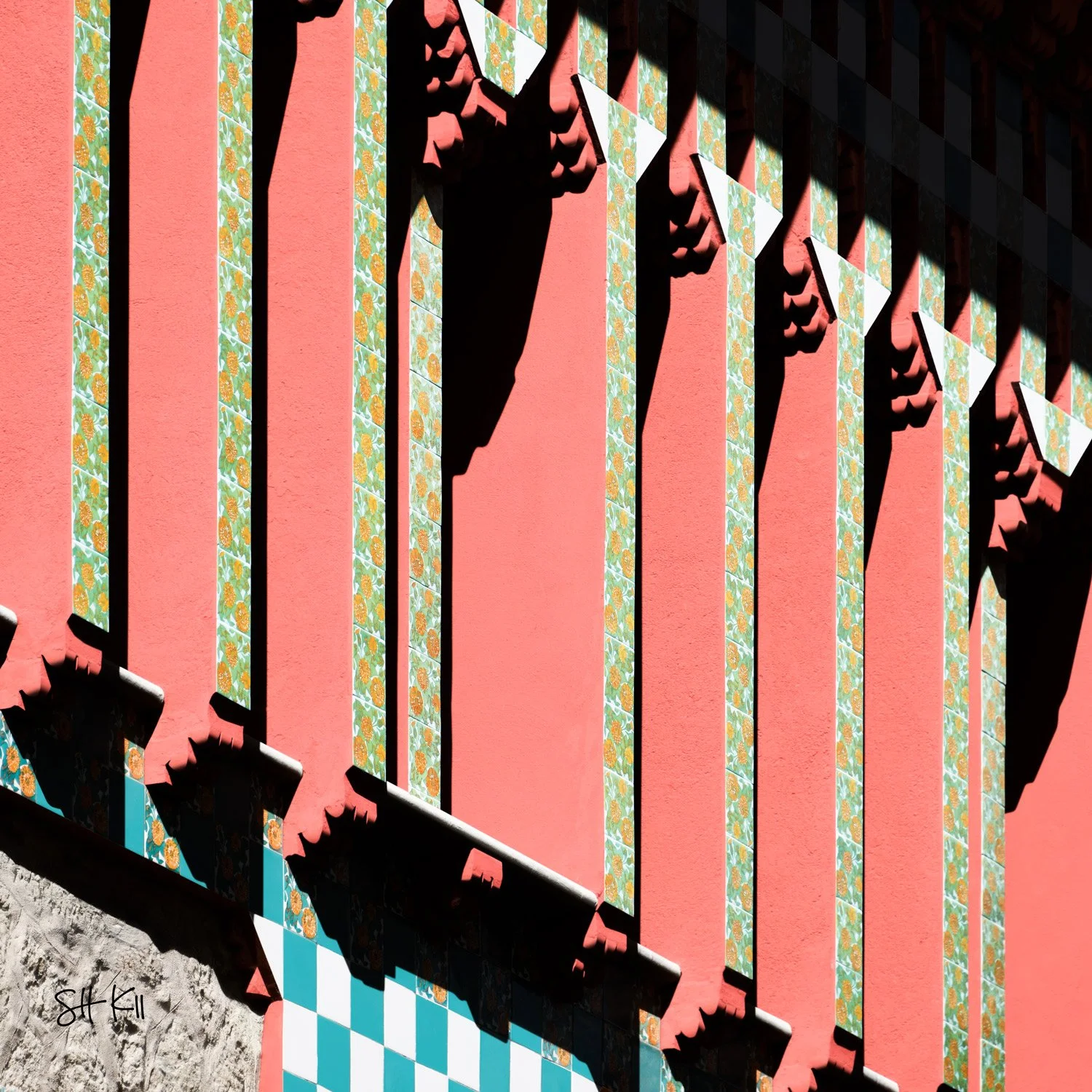
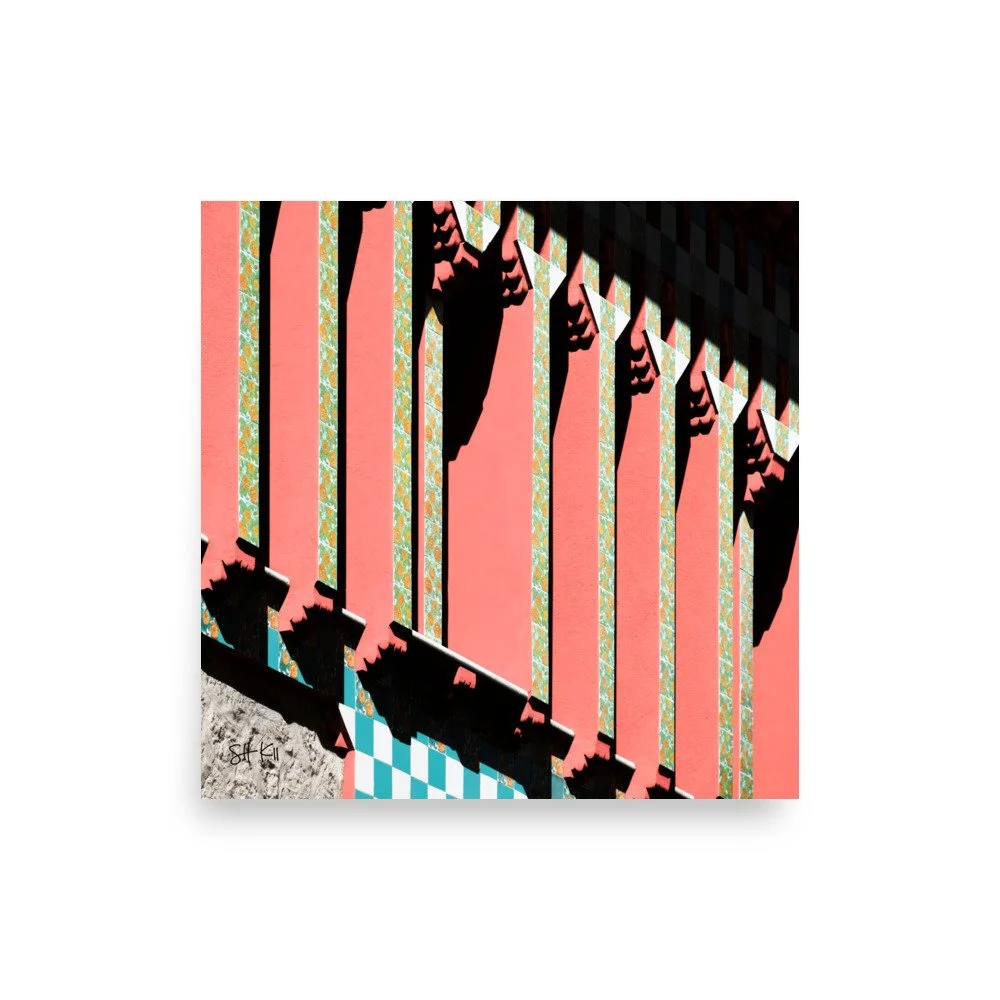
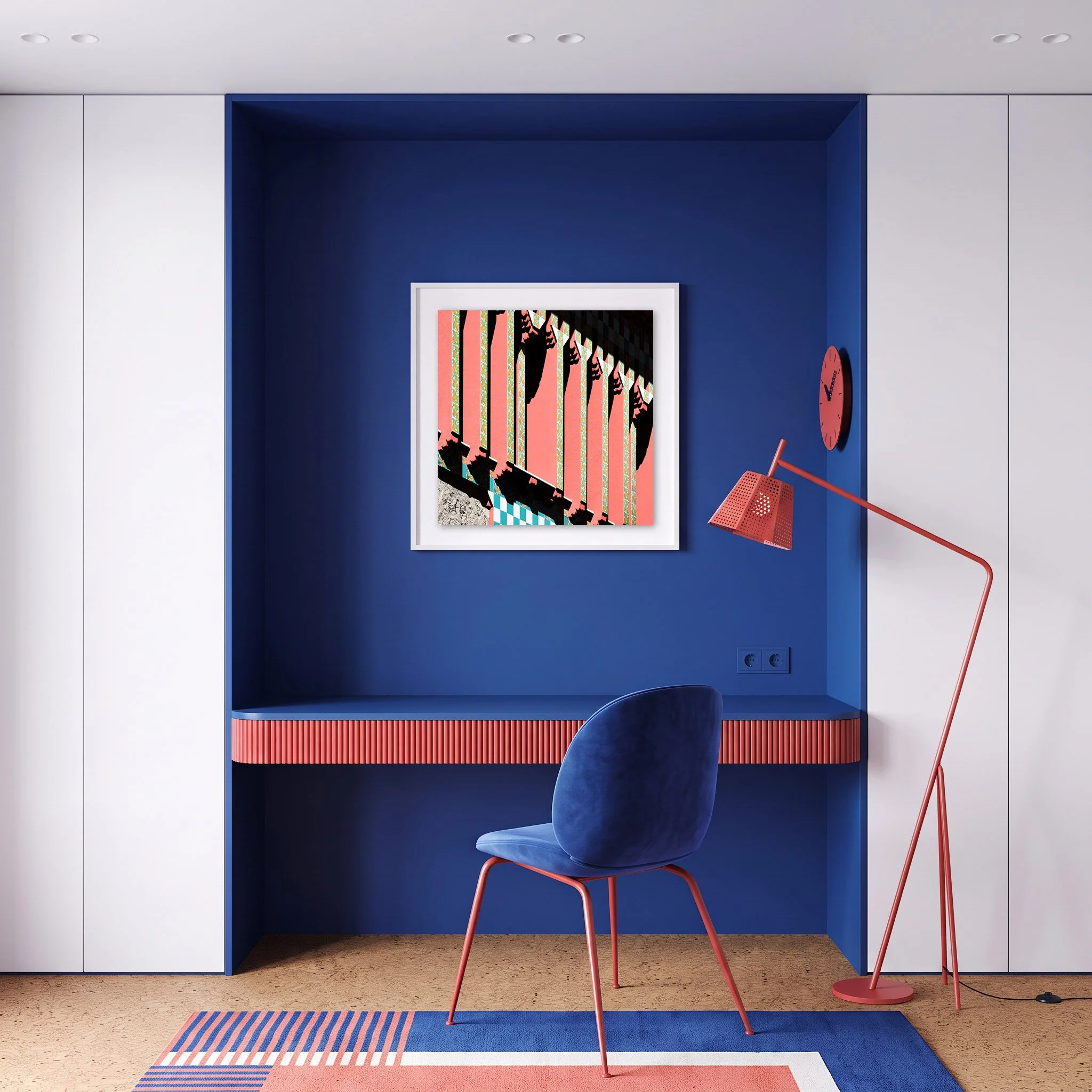
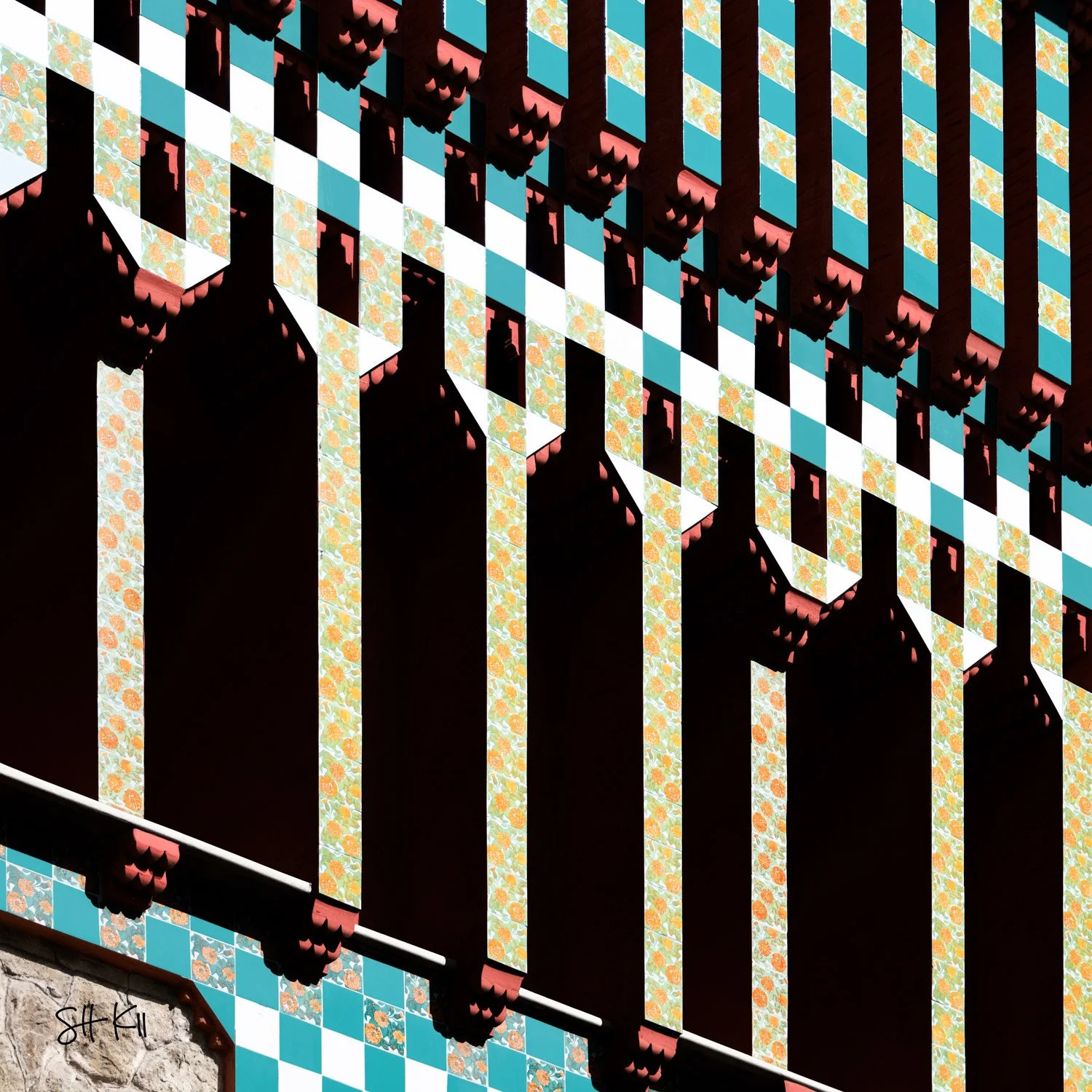
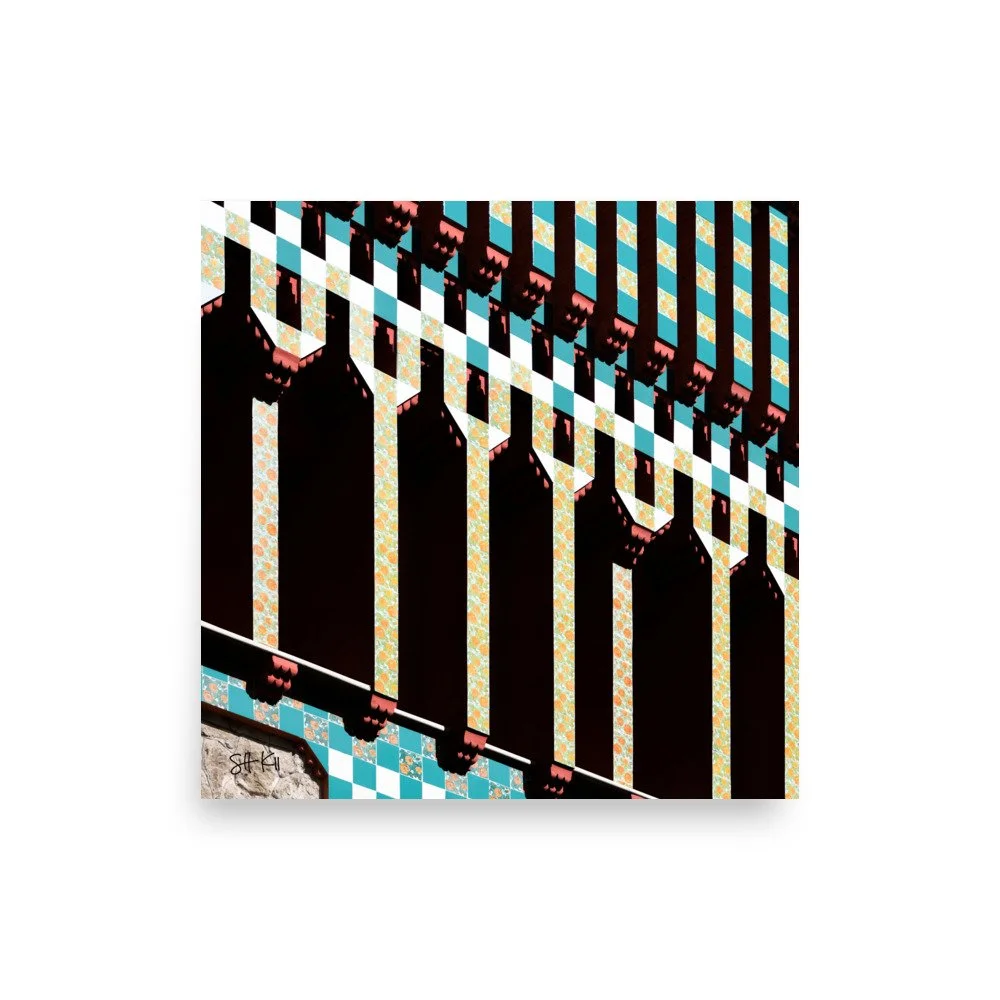
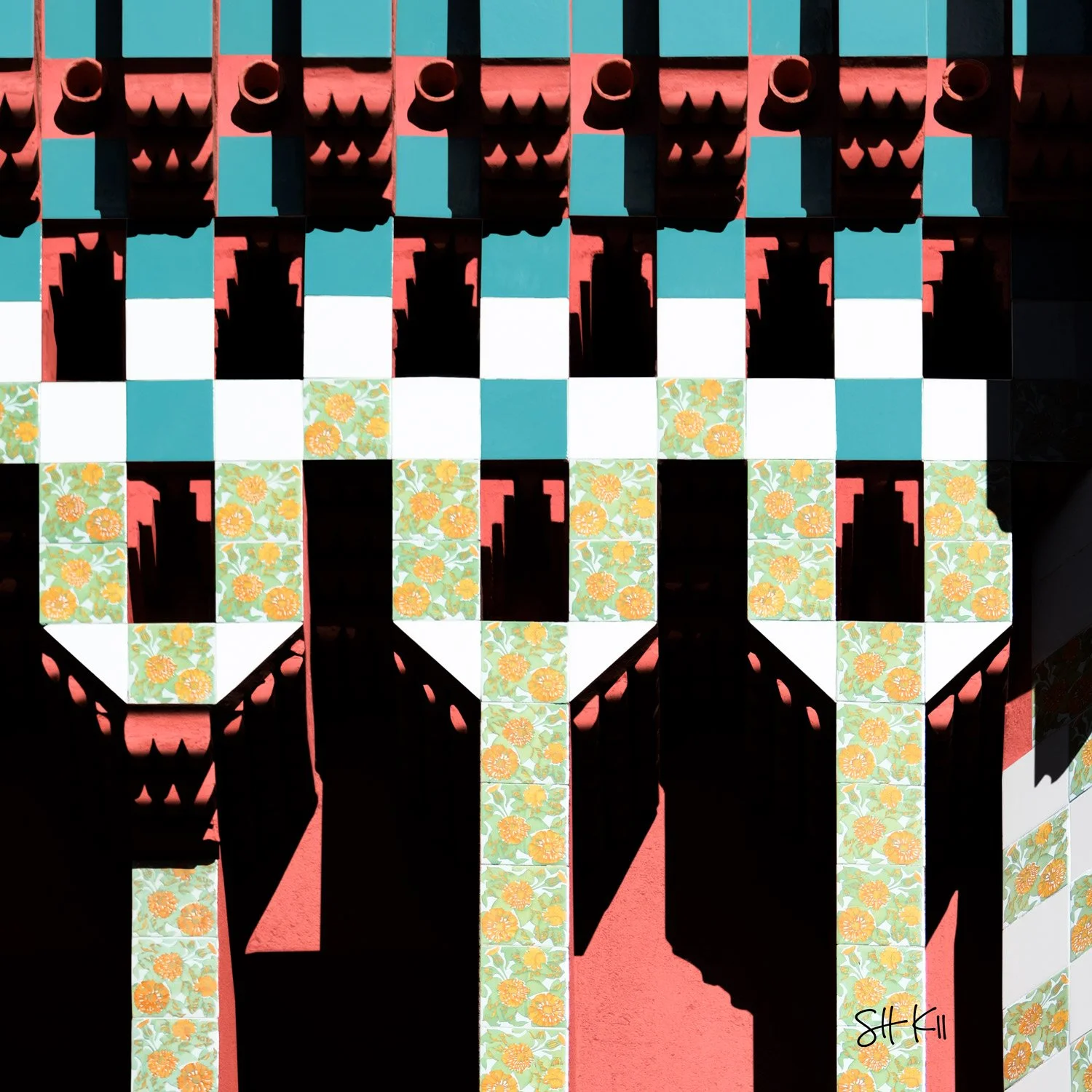
Casa Vicens was Antoni Gaudí's first major commission, completed in 1885, and it arrived fully formed — a building that owed more to Moorish and Mudéjar precedent than to anything being built in Barcelona at the time, its surfaces wrapped in hand-painted ceramic tiles depicting the marigolds that had carpeted the site before construction began. The tile program was not decorative afterthought but structural argument: pattern, color, and botanical motif doing the same work that ornament did in the Islamic architecture Gaudí was studying, articulating surface as something alive rather than inert. Here the camera moves in close on the loggia's colonnade, where terracotta-rendered piers carry stepped corbels and cylindrical roof pipe ends, the whole assembly thrown into hard relief by direct Barcelona sun that reduces the tiled infill panels — white ceramic ground, green foliage, yellow marigold heads — to bright intervals between absolute black voids. The framing is flat and insistently graphic, the shadows so deep they read as cut-outs, turning a richly textured facade into something closer to a printed repeat. Gaudí spent his entire career escaping the grid; here, improbably, the grid wins.
🖼️ Need help finding a gallery wall frame for your prints? We’ve put together a list of gallery wall frames available for each of our frame sizes.
🚚 Curious about delivery times? Reference our worldwide delivery time blog post.